Inwood Locksmith Service Team
Local locksmith team
Aug 19, 2026 9 min read
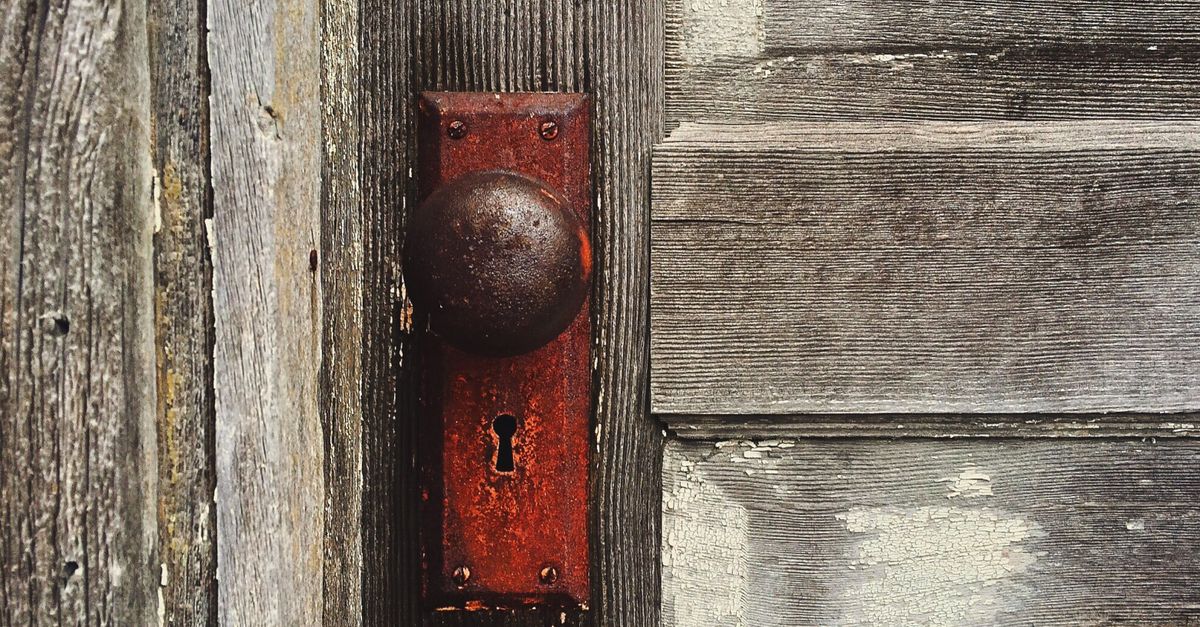
If your Inwood home was built before 1960 — and plenty of houses along Mott Avenue, Seagirt Boulevard, and the side streets near the Five Towns border certainly were — there is a good chance your front door is hiding a mechanism most modern locksmiths rarely see: a mortise lock. It sits recessed inside a deep rectangular pocket in the door edge, it weighs roughly three times what a modern cylindrical lock weighs, and it was built to last generations. The problem is that most homeowners have no idea what they have until something goes wrong.
Understanding whether your door uses a mortise lock or a standard cylinder setup is not just trivia — it directly affects whether a repair is possible, what parts are available, and whether a full replacement even makes sense. This guide walks you through how to identify what you have, what can realistically be fixed, when replacement is the smarter call, and how Inwood Locksmith can help you make that decision confidently, any time of day or night.
## What Is a Mortise Lock — and Why Do Inwood's Older Doors Use Them?
A mortise lock is a complete locking assembly housed inside a mortised-out cavity in the door body itself. Rather than being surface-mounted or inserted through a simple cylindrical hole, the lock body drops into a deep rectangular pocket and is held in place by a faceplate flush with the door edge. From the outside you typically see an ornate or plain escutcheon plate, a separate keyhole, and sometimes a knob or lever that operates the latch. From the inside there is usually a thumb-turn or a second knob. What you do not see is a large, multi-component mechanism handling the latch, the deadbolt, and sometimes a privacy function — all in one unit.
Pre-war construction in Inwood and the surrounding Five Towns corridor relied heavily on these assemblies because they were simply the industry standard. Manufacturers like Corbin Russwin and Baldwin built mortise lock sets that were expected to outlast the owners who installed them. Many did. If your door frame has a long, narrow strike plate — often three to five inches tall — and your door edge has a faceplate that covers a deep rectangular pocket rather than a simple round hole, you almost certainly have a mortise lock. Pressing lightly on the door knob and feeling it operate a latch independently of a keyed deadbolt is another giveaway.
## How to Tell a Mortise Lock from a Cylinder Lock in 60 Seconds
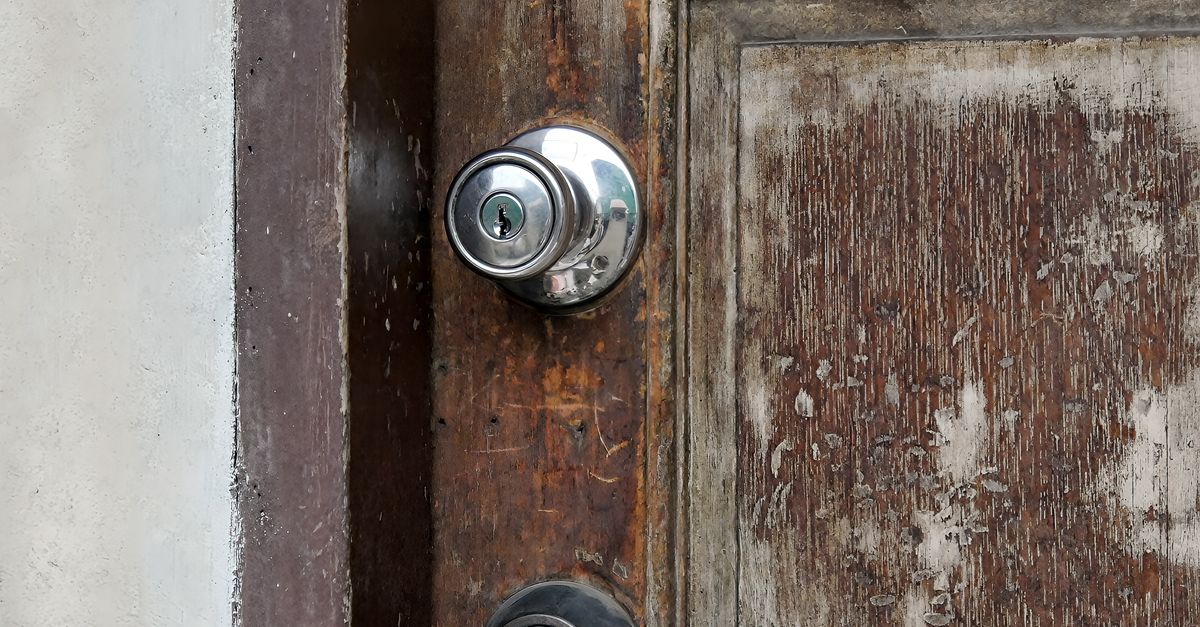
Stand at your front door and look at the edge of the door when it is open. A cylindrical lock — the kind sold at every hardware store — leaves two round holes bored through the door face, connected by a smaller latch hole in the edge. A mortise lock set uses a single deep rectangular pocket, and its faceplate will typically be taller than it is wide. If you see two separate keyholes on the exterior escutcheon — one for the latch, one for the deadbolt — that is a strong indicator you are dealing with a mortise body. On doors with a rim cylinder lock, you will notice a cylinder mounted on the surface of the door with a connecting bar that extends through to a case mounted on the inside face; this is common on older Inwood apartment buildings and commercial storefronts rather than single-family homes.
Another quick check: how thick is your door? Pre-war exterior doors in this area are often 1¾ inches or even 2 inches thick — thicker than modern doors — because they were designed to accommodate a mortise lock body that needs room to sit. If your door is unusually heavy and solid, that is another point in favor of the mortise theory. When in doubt, a trained locksmith can confirm the type in minutes, without any disassembly.
## Mortise Lock Repair vs. Replacement — When Each Makes Sense
The good news about a quality mortise lock is that most failure modes are repairable rather than fatal to the whole unit. The mortise lock cylinder — the plug that accepts the key — is the component that wears out most often, and it can be re-keyed or replaced independently of the rest of the mechanism. If your key is stiff, if the cylinder spins without engaging the bolt, or if the lock is simply due for a security upgrade, swapping just the mortise lock cylinder is a cost-effective solution that preserves the original hardware. The same applies to worn latch springs, seized deadbolt cams, and broken thumb-turns — an experienced locksmith can source replacement internals for Corbin Russwin, Baldwin, and other period manufacturers without touching the door or the frame.
Replacement starts to make more sense in a few specific scenarios: the mortise pocket has cracked or expanded from years of forced-entry attempts, the lock body itself has seized beyond lubrication or part swap, or the door edge has deteriorated to the point that the faceplate no longer seats securely. If you are also upgrading to a smart lock or a high-security mortise lock set exterior door application, a full swap lets you bring the security rating up to current standards while keeping the period aesthetic with the right escutcheon choice. The key is having someone assess the condition of the existing pocket before assuming replacement is necessary — that assessment alone can save significant effort and cost. If you are unsure where to start, call 516-981-3424 and our team can walk you through the evaluation before you commit to anything.
## Emergency Locksmith Response for Mortise Lock Failures
A failed mortise lock is not always a slow, predictable problem. Keys break inside cylinders. Latches jam mid-winter when wood doors swell. Deadbolt cams crack and leave you either locked in or locked out with no warning. Because Inwood Locksmith operates 24/7 across Inwood, Lawrence, Cedarhurst, and the surrounding area, we respond to these situations at any hour — including the middle of the night when a broken door knob lock suddenly means your exterior door will not latch at all.
For a lockout involving a mortise lock, the approach a professional takes is quite different from a standard cylindrical lock entry. The mechanism is more complex, the cylinder sits deeper in the door, and the wrong technique can damage the escutcheon or crack an antique faceplate that cannot easily be replaced. Our team carries the right tooling specifically for period hardware and pre-war door geometry, which means we work efficiently without causing collateral damage to the door or the surrounding finish. Factors that go into your final quote include the specific lock type and condition, whether parts need to be sourced, your location relative to our team, and the time of day — and we always confirm an exact price before any work begins, with no surprises.
## Commercial Locksmith and Multi-Unit Considerations for Older Inwood Properties
Inwood's housing stock is not limited to single-family homes. There are two-family and multi-unit buildings throughout the neighborhood, many of which have mortise locks on both the interior apartment doors and the shared exterior entry. Landlords and property managers face a specific challenge: these older assemblies need maintenance, but swapping them for modern cylindrical hardware often means modifying door edges and frames — work that can disturb historic millwork and create code considerations. A commercial locksmith evaluation can determine whether your existing mortise lock sets can be re-keyed to a master key system, upgraded with a higher-security cylinder, or fitted with a restricted-keyway profile to prevent unauthorized key duplication, all without altering the original door.
For building owners managing multiple units, we can also assess whether a rim cylinder lock on a shared entry door is still meeting current security standards or whether a surface-mounted upgrade is warranted. The goal is always the most secure, most practical solution for the actual door in front of us — not a one-size-fits-all recommendation. Whether you manage one rental unit on Doughty Boulevard or a six-family building closer to the Inwood Country Club, our team can put together a hardware plan that works for the age and condition of your specific doors. Call 516-981-3424 any time — we answer 24/7 and can schedule a property walkthrough or respond to an urgent situation within the hour.
Frequently asked questions
How do I know if my Inwood door has a mortise lock or a standard cylindrical lock?+
Open your door and look at the edge. A cylindrical lock leaves two round bored holes visible from the face, connected by a small latch hole in the edge. A mortise lock uses a single deep rectangular pocket with a tall, narrow faceplate — often three to five inches tall. If you also see two separate keyhole openings on the exterior escutcheon plate, or if your door is unusually thick and heavy, a mortise body is very likely. A quick call to 516-981-3424 and our team can confirm the type remotely or in person.
Can a mortise lock be repaired, or does it always need to be replaced?+
In most cases, repair is both possible and practical. The mortise lock cylinder — the part that accepts the key — wears out independently and can be replaced or re-keyed without disturbing the rest of the mechanism. Worn springs, seized cams, and broken thumb-turns are also serviceable parts. Full replacement makes sense only when the mortise pocket in the door edge has structural damage, when the lock body itself has failed beyond repair, or when a security upgrade requires a completely different hardware profile. A professional assessment takes only a few minutes and will tell you exactly which path applies to your door.
What factors affect the cost of a mortise lock repair or replacement?+
Several variables go into the final price: the specific make and model of the lock body, whether the existing cylinder is salvageable or needs replacement, whether specialty parts have to be sourced for older Corbin Russwin or Baldwin hardware, the time of day the work is requested, and your location relative to our team. We always confirm an exact up-front price before any work begins — there are no open-ended estimates or after-the-fact additions.
Is it worth upgrading an old mortise lock rather than switching to a modern lock type?+
Often yes, especially on pre-war Inwood doors where the mortise pocket is already expertly cut into solid wood framing. Converting to a cylindrical lock means boring new holes and potentially compromising that framing. A high-security mortise lock cylinder upgrade — or a new mortise lock set on the existing body — can bring the security rating to modern standards while preserving the door. If smart lock functionality is a priority, there are mortise-compatible smart cylinders that work with the existing escutcheon. The right answer depends on the current condition of your lock, door, and frame, and our team can give you a straight assessment rather than defaulting to the most expensive option.