Inwood Locksmith Service Team
Local locksmith team
Jul 22, 2026 10 min read
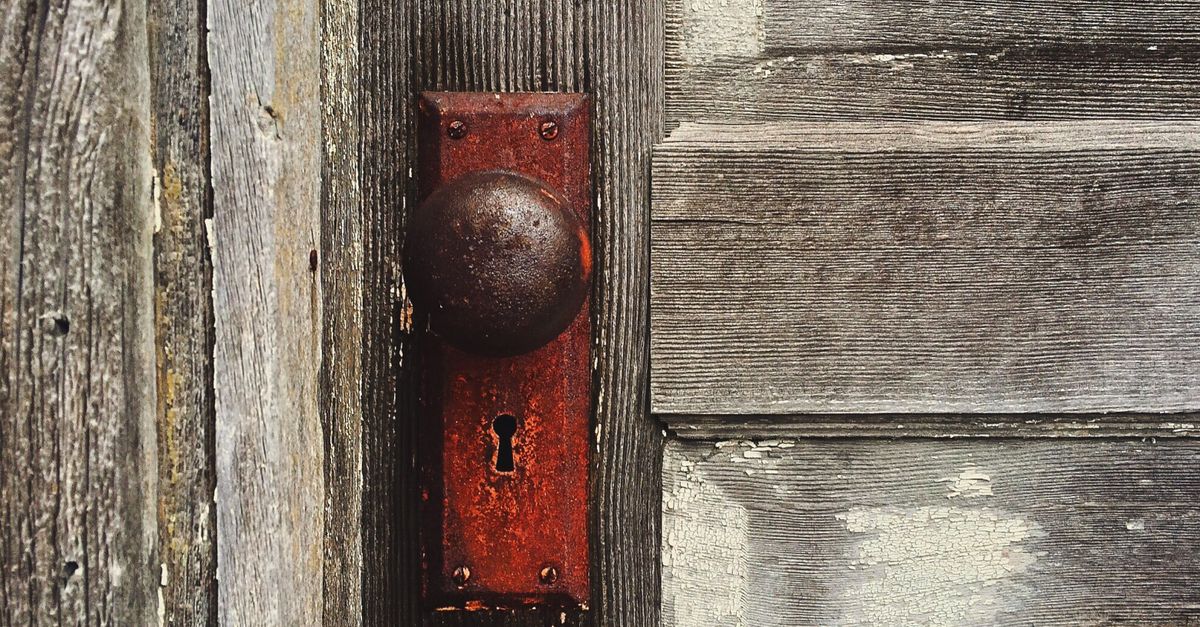
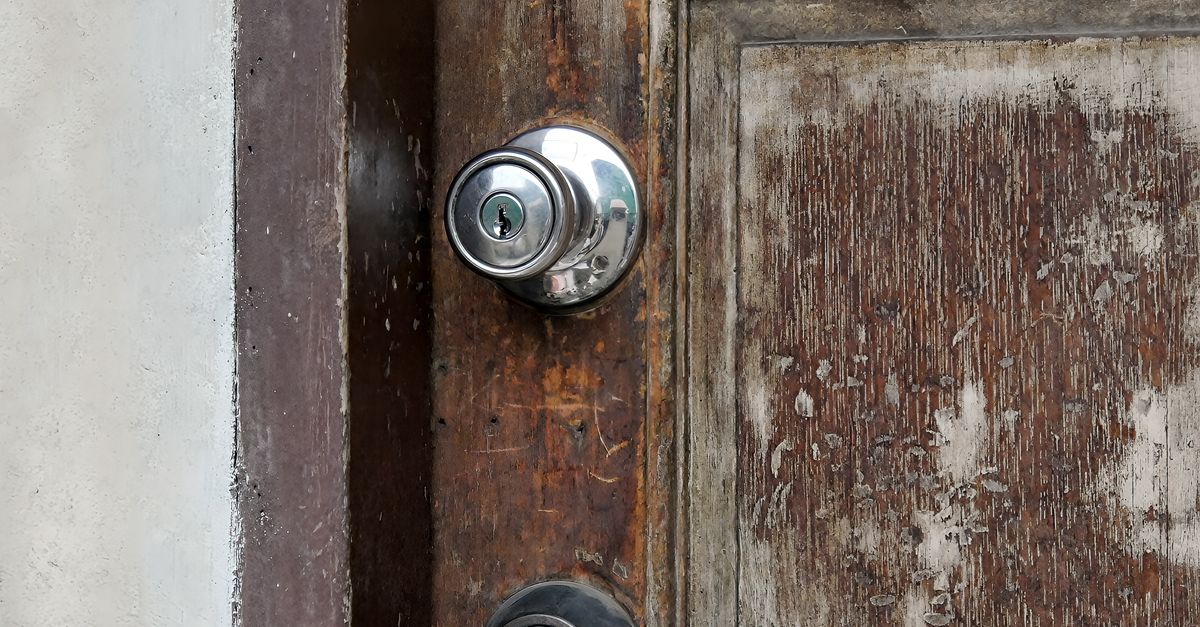
A wobbly door knob is easy to ignore — until it isn't. One morning the knob spins freely, the latch refuses to catch, or the key sticks halfway through a turn, and suddenly you're locked out of your own bedroom or standing in the cold outside your front door on Seaman Avenue wondering what went wrong. Most homeowners in Inwood, NY don't realize that a loosening door knob lock is almost always giving off warning signs weeks before it actually fails.
This guide walks you through the most common reasons a knob lock comes loose, the honest difference between a five-minute tightening job and a problem that genuinely needs a full replacement, and how to know when a trained locksmith — rather than a screwdriver — is the right call. Whether you're dealing with a worn-out front-door knob or a door knob with lock for a bedroom that a child needs to reach safely, the answers below will help you make a confident decision.
## Why a Door Knob Lock Works Loose Over Time
Every door knob with lock installed in a home is under constant mechanical stress. Dozens of turns a day, changes in humidity that swell and shrink the door slab, and the natural vibration of a closing door all work together to back out the set screws that hold the assembly to the rose plate. In older Inwood homes — many built in the post-war era with solid wood doors that move substantially with the seasons — this process happens faster than in newer construction. The two tiny screws hidden under the decorative cover are usually the first to back out, letting the knob develop that telltale side-to-side wobble.
A second and often overlooked cause is a worn spindle. The spindle is the square metal bar that runs through the door and connects both knobs. When it wears down or bends slightly from years of use, the knobs lose their grip on it and begin to feel sloppy even after you re-tighten the screws. A third culprit is a failing latch mechanism: if the spring inside the latch body weakens, the latch no longer retracts cleanly, which puts extra rotational pressure on the knob every time someone forces it open. That extra force accelerates loosening throughout the entire assembly.
## Quick Fixes vs. Knowing When to Replace Your Door Knob Lock
If the wobble is new and the lock still turns smoothly, start with the simple stuff. Remove the decorative rose cover — usually it snaps off or unscrews counterclockwise — and tighten the two mounting screws with a Phillips head. Replace any screw that spins freely without biting into the door; a slightly longer screw of the same thread pitch will often solve it. While you have the knob off, inspect the spindle for visible bending or wear. If it looks intact and the latch spring snaps back crisply, reassembly and a test-turn should confirm the fix. That entire process takes under ten minutes.
Replace the hardware outright when you find any of the following: the key turns but the latch does not retract, the lock cylinder wobbles independently of the knob (a sign the cylinder has separated from its housing), rust or corrosion is visible inside the mechanism, the door knob with lock and key no longer allows the key to enter or exit smoothly, or the door has been kicked or forced at any point. A compromised lock does not just cause inconvenience — it reduces the actual security of your home. Brands like Schlage and Kwikset manufacture knob lock replacements in standard hole-bore sizes that fit most residential doors without modification, but if your door is non-standard or the bore has been damaged, a professional assessment before purchasing hardware will save you an expensive return trip to the hardware store.
## Mortise Lock vs. Knob Lock — Understanding What You Actually Have
Many Inwood homeowners are surprised to discover that their front door does not use a standard knob lock at all — it uses a mortise lock, a rectangular cartridge that slides into a pocket (the mortise) cut into the edge of the door. Mortise locks are extremely common in the multi-family buildings and pre-war brownstones found throughout northern Manhattan and the communities just across the border in Queens and Nassau County. A mortise lock offers more security than a standard knob lock because the bolt, latch, and sometimes a deadbolt are all housed in one reinforced case, but it also has more components that can wear out, and diagnosing a problem requires removing the knob and unscrewing the face plate to inspect the internal cams and levers.
If you are not certain which type of lock is on your door, look at the edge of the door when it is open. A standard knob lock will show a simple latch bolt in a small square or round hole. A mortise lock will show a long rectangular face plate with both a latch and a dead bolt in a single plate. Mortise lock repair and replacement is a distinct specialty — the internal cam timing must be correct for the key, thumb turn, and exterior knob or lever to all function together. This is one of the most common reasons homeowners in Inwood call our team: a mortise lock that was adjusted by a non-specialist ends up with one function working and another locked out. If you suspect a mortise lock issue, call 516-981-3424 before you start disassembling — we can walk you through what you are looking at and dispatch a skilled technician the same day.
## When a Sticking Lock Becomes an Emergency Locksmith Situation
There is a specific scenario that escalates from minor annoyance to urgent problem very quickly: a lock door knob that sticks intermittently. Intermittent sticking usually means the latch or the cylinder is close to failure, not just loose. If the door sticks on a cold morning but frees up by afternoon, temperature-related door expansion is likely pushing the latch out of alignment with the strike plate — adjusting the strike plate position solves it. But if the sticking happens regardless of temperature and is getting progressively worse, the internal mechanism is degrading. The danger is that one day it will fail in the locked position and you will be unable to exit or enter the room.
An emergency locksmith call is appropriate any time you are actively locked out of a space, when a child or vulnerable person is trapped inside a room, when a lock fails after an attempted break-in, or when a mortise lock or door knob with lock and key stops responding to the correct key entirely. Our team serves the Inwood area around the clock — the Far Rockaway corridor, Lawrence, Woodmere, and the streets running off Rockaway Turnpike — and we confirm an exact up-front price before any work begins, so there are no surprises on the final invoice. The factors that shape that price include the lock type, the hardware needed, time of day, and travel distance to your address. Call 516-981-3424 any time.
## Choosing the Right Replacement and Considering a Commercial Locksmith for Business Doors
For a standard residential interior door, a grade-3 knob lock is generally appropriate. For an exterior door, choose at minimum a grade-2 knob lock — and pair it with a deadbolt, because no knob lock alone provides adequate security on an entry door regardless of brand. For a door knob with lock for bedroom use, a privacy lock (no key required, interior push-button or twist with emergency release on the outside) is the right category; a keyed lock on a bedroom is appropriate only when there is a specific security need. Match the backset — the distance from the edge of the door to the center of the bore hole, either 2-3/8 inches or 2-3/4 inches — before you purchase anything.
Business owners face a different set of considerations entirely. A commercial locksmith evaluates door frequency, fire-code egress requirements, ADA lever-handle mandates, and master-key system compatibility before recommending hardware. Replacing a knob lock on a commercial door without considering the rest of the keying system can inadvertently break an entire master key hierarchy. Our team handles both residential and commercial lock services in Inwood and the surrounding Five Towns area, and we can advise on the right hardware grade, brand, and keying arrangement before a single screw is turned. Whether it is a single worn knob or a full re-key of a rental property on Doughty Boulevard, the process starts with an honest assessment — not a sales pitch.
## Services We Provide in Inwood, NY and the Surrounding Area
Our mobile locksmith team covers Inwood NY 11096 and the surrounding communities with a full range of residential, commercial, and automotive lock services. Here is a specific list of what we handle every day: residential door knob lock repair and replacement, mortise lock repair and replacement, deadbolt installation and re-keying, master key system design and implementation, residential lockout response, commercial lockout response, emergency locksmith dispatch 24 hours a day 7 days a week, high-security lock upgrades, door knob with lock for bedroom installation, door knob with lock and key re-keying, strike plate repair and reinforcement, lock cylinder replacement, broken key extraction from lock cylinders, key duplication for residential and commercial locks, mailbox lock replacement, cabinet lock installation, padlock opening and replacement, sliding door lock repair, French door lock alignment and repair, knob lock-to-lever upgrade for ADA compliance, commercial storefront lock installation, multi-point locking system repair, door frame and jamb reinforcement, access control system consultation, safe lockout opening, garage door lock repair, car lockout service, automotive key programming, transponder key replacement, and ignition lock cylinder service. Each service call begins with a confirmed up-front quote — the final price depends on lock type, hardware required, time of call, and travel distance to your location.
Frequently asked questions
Can I pick a door knob lock myself if I get locked out?+
We understand the frustration of a lockout, but we don't walk through picking techniques because an improper attempt can damage the cylinder and turn a simple lockout into an expensive replacement. The better first steps are checking for a spare key with a trusted neighbor, trying another entry point like a back door you left unlocked, or calling a professional locksmith who can open the door without damage. Our team at 516-981-3424 is available around the clock and can typically reach most Inwood addresses quickly.
How do I know if my loose door knob is a security risk or just annoying?+
A loose knob that still latches and locks firmly is mostly a nuisance. It becomes a security concern when the lock cylinder itself wiggles (meaning it can potentially be manipulated from outside), when the latch no longer catches reliably, or when the door can be pushed open without turning the knob at all. If any of those apply, treat it as a security issue and replace the hardware promptly rather than waiting for a full failure.
What is the difference between a knob lock and a mortise lock, and which is more secure?+
A knob lock houses its latch and lock cylinder inside the knob itself and attaches to the door through two holes bored in the face and edge of the door. A mortise lock is a self-contained rectangular cartridge set into a pocket cut into the door edge, and it typically combines a latch, a deadbolt, and sometimes additional bolts in one reinforced case. Mortise locks are generally considered more secure and more durable for high-traffic doors, which is why they are standard in commercial buildings and many older multi-family residences in areas like Inwood. A qualified locksmith can assess which system makes sense for your specific door and security needs.
How much does it cost to have a locksmith replace a door knob lock?+
We do not quote prices in general terms because the actual cost depends on several factors: the type of lock being replaced (standard knob lock, mortise lock, high-security cylinder, etc.), the hardware brand and grade you choose or that is required, whether any door prep work is needed, the time of day the call is made, and the travel distance to your address. What we always do is confirm an exact price with you before any work begins — no hidden fees added at the end. Call 516-981-3424 for a straightforward assessment.